Coloma Lodge #162 reflects on 200 years of Michigan Freemasonry; Chartered locally in 1865, post Civil War era

The 200th anniversary of the Grand Lodge of Michigan marks a significant milestone in the state’s history, celebrating two centuries of brotherhood, charity, and community service. Established in 1826—more than a decade before Michigan achieved statehood in 1837—the Grand Lodge helped lay an early foundation for civic engagement across the region. In its earliest years, Masonic lodges provided structure and fellowship for settlers building new communities on the frontier. The organization’s guiding principles—brotherly love, relief, and truth—have remained constant, shaping generations committed to personal growth and ethical living.
Freemasonry itself has a long and fascinating history. Its roots trace back to medieval stonemasons in Europe before evolving into a fraternal organization during the 17th and 18th centuries. By the time lodges were established in communities like Coloma, Freemasonry had become one of the most influential social institutions in the United States. Prominent figures such as Benjamin Franklin and George Washington were members, and lodges often served as places where ideas about democracy, civic responsibility, and mutual aid were shared and encouraged.
Michigan’s connection to Freemasonry dates back even earlier than statehood. The first documented lodge in the region was established in Detroit in 1764, making it one of the earliest Masonic presences west of the Allegheny Mountains. As settlers moved westward, they brought the fraternity with them, establishing lodges in towns throughout the state, including along the St. Joseph River corridor. These lodges became important social anchors, offering not only fellowship but also a shared sense of purpose and community values.
Throughout the 19th and 20th centuries, Michigan Masons played a visible role in community development and public life. Many early civic leaders, business owners, and public officials were members of local lodges, helping shape the growth of towns and cities. Lodges often served as centers for social connection, particularly in smaller communities, providing support networks during times of hardship. The fraternity also became known for its charitable work, supporting educational programs, disaster relief efforts, and healthcare initiatives. Institutions such as the Michigan Masonic Home stand as lasting examples of this commitment.
Locally, Coloma Lodge No. 162 has been a steady presence in the community for more than 160 years. Chartered in 1865 during the post-Civil War era, the lodge was established at a time when Coloma itself was still developing from its early beginnings as “Shingle Diggings.” The founding of the lodge reflects the important role fraternal organizations played in shaping small-town America, bringing together farmers, businessmen, and civic leaders who helped guide their communities forward.
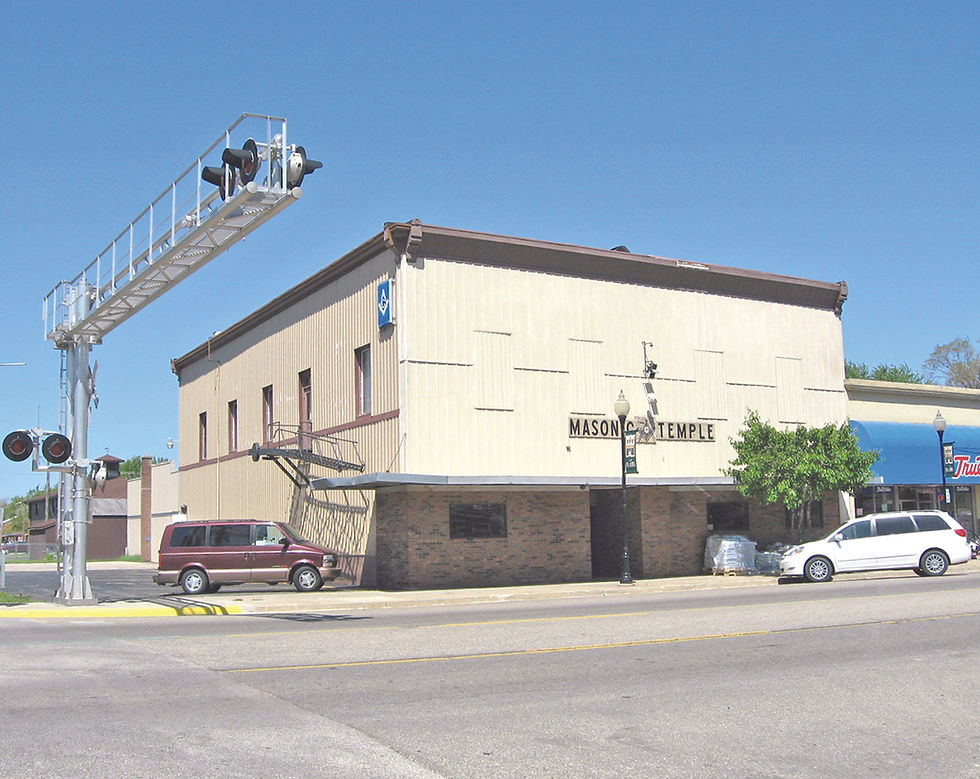
Like many lodges of its time, the Coloma lodge served multiple purposes. In addition to hosting meetings and ceremonies, it functioned as a gathering space for community events. Before the existence of modern community centers, lodges frequently hosted dinners, public meetings, and charitable activities. Located at 262 North Paw Paw Street, the lodge building remains a recognizable part of Coloma and has been used over the years by various organizations and community groups—reflecting the Masonic commitment to supporting the broader community.
Charitable work continues to be central to Freemasonry, both statewide and locally. Masonic lodges have long supported causes ranging from assistance for widows and orphans to funding hospitals and educational initiatives. While specific local projects evolve over time, the spirit of giving remains a defining feature of the organization. In recent years, members of the Coloma lodge have remained active through community dinners, recognition events, and building improvements, ensuring the lodge continues to serve as a welcoming space.
Like many fraternal organizations, Masonic lodges have faced challenges, including declining membership and changing social habits. While participation was once widespread, lodges today continue to attract individuals interested in service, tradition, and personal development. Despite these changes, the continued presence of Coloma Lodge No. 162 speaks to its resilience and lasting relevance.
At its core, the Coloma Masonic Lodge represents more than just a building or organization—it is a living piece of local history. For generations, it has helped build connections, support charitable efforts, and preserve traditions that link the past with the present. As the Grand Lodge of Michigan celebrates its bicentennial, it not only honors its rich history but also looks to the future, reaffirming a mission grounded in service, integrity, and community.


Comments